Understanding the psychological drivers behind gambling behaviors

Understanding the psychological drivers behind gambling behaviors
The Thrill of Risk and Reward
The psychological allure of gambling often stems from the excitement associated with risk and reward. Players are drawn to the possibility of winning, which can trigger the release of dopamine, a neurotransmitter linked to pleasure and satisfaction. This rush can create a cycle where the individual seeks out the thrill again and again, reinforcing the behavior. Over time, the anticipation of a win can overshadow the reality of frequent losses, leading to continued participation in gambling activities. Moreover, many find themselves exploring various options, including reputable online casinos, such as https://kingbet9-australia.com/games/, to enhance their gaming experience.

Moreover, the thrill is not solely about monetary gain; it often encompasses the excitement of uncertainty. This unpredictability creates a captivating environment that can be difficult to resist. Some players may find themselves captivated by the mere act of placing bets, where the potential for a significant payoff fuels their desire to engage in gambling. The interplay between risk and reward can lead to an addictive cycle, making it crucial for individuals to recognize these psychological drivers.
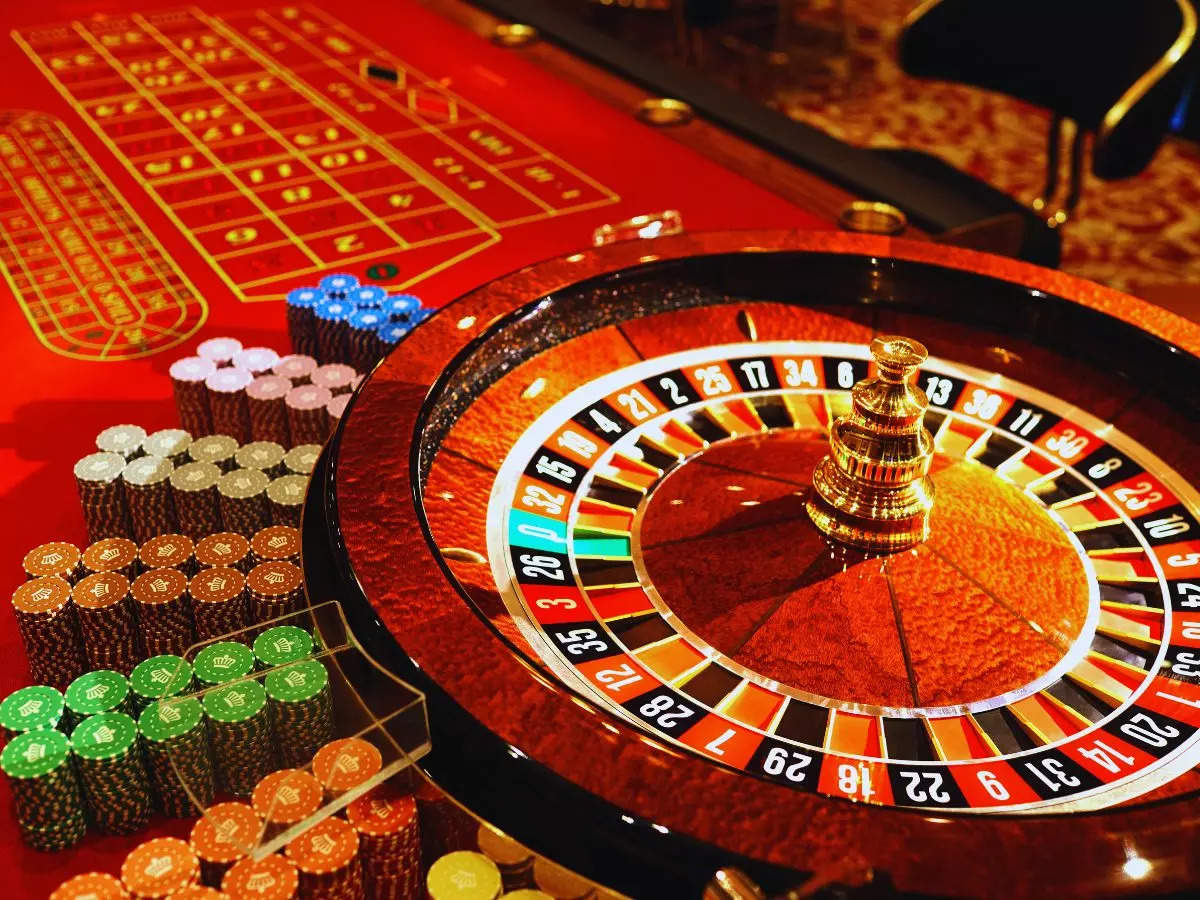
This concept is particularly relevant in environments designed to amplify these sensations. Casinos often employ specific strategies, such as lighting and sound effects, to create an atmosphere that heightens excitement. The architecture and layout of these spaces further enhance this experience, encouraging players to immerse themselves in the gambling culture. Understanding these factors helps explain why individuals may find themselves repeatedly drawn back to gambling establishments.
The Role of Cognitive Biases
Cognitive biases play a significant role in shaping gambling behaviors, often distorting a player’s perception of their chances of winning. One prevalent bias is the illusion of control, where individuals believe they can influence the outcome of games of chance. This misguided sense of empowerment can lead to increased participation, as players mistakenly think they can outsmart the odds. For instance, a gambler may feel that choosing specific numbers or betting strategies will improve their chances, despite the randomness inherent in many games.
Another common cognitive bias is the gambler’s fallacy, which is the belief that past events can influence future outcomes. For example, if a player experiences a series of losses, they may believe that a win is “due,” leading them to continue gambling in hopes of recouping their losses. This fallacy can perpetuate gambling behaviors, often resulting in financial and emotional consequences. Recognizing these biases can empower individuals to make more informed decisions regarding their gambling activities.
Furthermore, confirmation bias can also impact gambling behaviors. Players may focus on wins, reinforcing their belief that they are skilled gamblers, while downplaying or ignoring losses. This selective perception can create a false narrative that supports continued gambling, despite the reality of their financial situation. By understanding these cognitive biases, individuals can develop healthier approaches to gambling and mitigate the risks associated with these psychological traps.
The Social Aspect of Gambling
The social dynamics surrounding gambling can significantly influence individual behaviors. Gambling often occurs in social settings, where the excitement of playing with friends or strangers enhances the overall experience. This communal aspect can create a sense of belonging, drawing individuals to participate in activities they might otherwise avoid. The shared thrill of winning or commiserating over losses can strengthen bonds among players, leading to repeated engagement in gambling activities.
Moreover, peer pressure can act as a powerful motivator. Individuals may feel compelled to join others in gambling, particularly if those in their social circle view it as a leisure activity. This can lead to increased participation, even for those who may not initially have an interest in gambling. The desire to fit in or impress peers can overshadow personal reservations, prompting individuals to gamble beyond their means or comfort level.
The rise of online gambling platforms has further amplified the social aspect of gambling. Many platforms incorporate social features, such as live chats or multiplayer games, enhancing the sense of community among players. This connectivity can lead to a more immersive experience, encouraging individuals to spend more time and money on gambling activities. Understanding the social drivers behind gambling behaviors is essential for recognizing how these influences can shape individual choices.
Emotional Triggers and Gambling
Emotions play a crucial role in gambling behaviors, often driving individuals to engage in activities as a coping mechanism. Many gamblers use gambling as an escape from stress, anxiety, or depression. The temporary relief provided by the thrill of gambling can be alluring, prompting individuals to gamble as a way to cope with negative emotions. Unfortunately, this can lead to a cycle where the initial relief is followed by guilt or shame, further entrenching the need to gamble.
Additionally, the emotions associated with winning can reinforce gambling behaviors. A win can evoke feelings of euphoria, leading individuals to chase that high in hopes of replicating the experience. This emotional rollercoaster can create a dependency on gambling as a source of happiness or excitement. Recognizing the connection between emotions and gambling can empower individuals to seek healthier coping mechanisms, rather than relying on gambling as a solution.
Furthermore, the ups and downs of gambling can mirror the unpredictable nature of life itself. Players may find solace in the control they feel while gambling, especially when they are otherwise feeling powerless in their daily lives. Understanding the emotional triggers that drive gambling behaviors can provide valuable insights into how individuals can better manage their gambling habits and seek more sustainable emotional fulfillment.
Kingbet9 and Responsible Gaming
Kingbet9 stands as a premier online casino that prioritizes player engagement and responsible gaming. With a wide variety of gaming options, including slots, table games, and live dealer experiences, Kingbet9 aims to provide an enjoyable environment for both casual and seasoned players. The platform is designed with user experience in mind, ensuring seamless gameplay across devices, which adds to the accessibility and enjoyment of the gaming experience.
Understanding the psychological drivers behind gambling behaviors is integral to Kingbet9’s approach to player welfare. The casino actively promotes responsible gaming practices, offering resources for players to stay in control of their gambling habits. This includes setting deposit limits and providing self-exclusion options, which empower players to make informed decisions and engage with gaming in a balanced manner.
By focusing on player choice and responsible gaming, Kingbet9 positions itself as a leader in the online gambling industry. The platform’s commitment to understanding the psychological aspects of gambling ensures that players can enjoy their gaming experiences while maintaining a healthy relationship with gambling. By prioritizing engagement and responsibility, Kingbet9 creates a supportive environment for all players.
no comments